The Lectionary: Common Worship and Book of Common Prayer (2007)
Book Review: The Lectionary – Common Worship and Book of Common Prayer (2007)
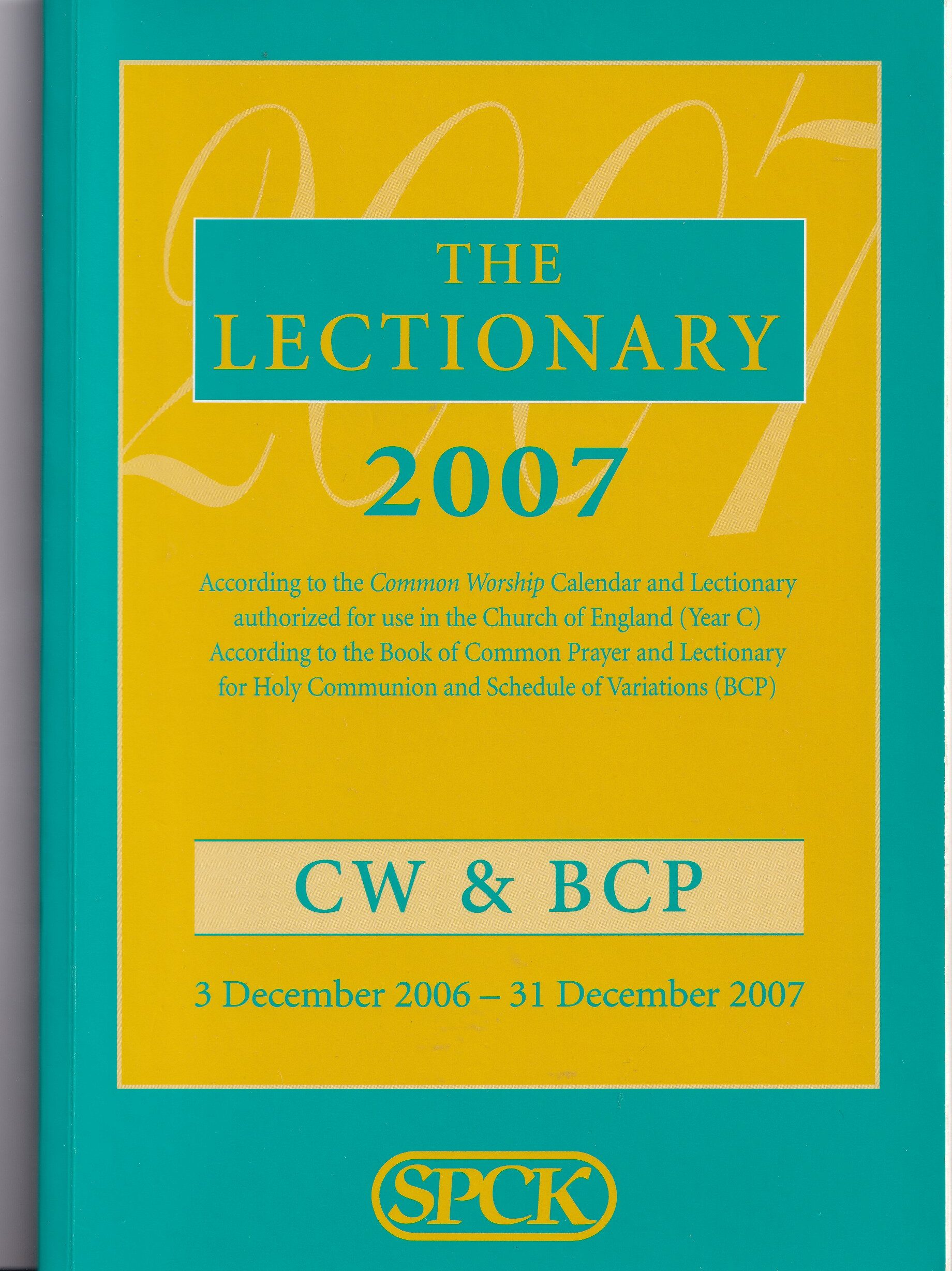
The Lectionary: Common Worship and Book of Common Prayer, CW & BCP, 3 December 2006 – 31 December 2007 is a reference work for readers interested in the worship, liturgy and traditions of the Church of England. Published in 2007, this edition brings together the appointed readings associated with the Church’s Common Worship and Book of Common Prayer traditions for the specified period.
A Guide to the Church Year
A lectionary is an organised schedule of biblical readings appointed for use on particular days, Sundays and festivals throughout the Christian year. It provides a structure for public worship, helping congregations follow a sequence of readings that connects scripture with the seasons and observances of the Church.
This edition covers a period extending from Advent in December 2006 through to the end of December 2007. The dates encompass the major seasons of the Christian calendar, including Christmas, Epiphany, Lent, Easter and Pentecost, as well as the Sundays and festivals that form part of the annual cycle of Anglican worship.
Common Worship and the Book of Common Prayer
The inclusion of both Common Worship and the Book of Common Prayer makes this volume particularly relevant to the study of Anglican liturgical practice. The Book of Common Prayer has a long-established place in the history of the Church of England, while Common Worship provides more recent forms of authorised worship and services.
Bringing these traditions together in a lectionary reference allows readers to explore how biblical readings are organised within different forms of Anglican worship. It may be useful to clergy, lay ministers, church musicians, readers and others involved in preparing services, as well as those studying the development and practice of Anglican liturgy.
A Practical Reference Work
Unlike a conventional book intended to be read from beginning to end, a lectionary is primarily designed for consultation and regular use. Its value lies in providing an organised reference to the readings appointed for particular dates, helping those preparing worship identify the relevant passages and follow the rhythm of the Church year.
The volume may also interest readers who want to understand how scripture is incorporated into the pattern of Anglican worship. By following the calendar, it becomes possible to see how particular readings relate to the themes of the seasons and the principal celebrations of the Christian faith.
Historical and Collectable Interest
As a dated publication, this 2007 edition also has a documentary value. It records the lectionary arrangements for a specific period in the life of the Church of England and may be of interest to researchers examining Anglican worship, church administration and the use of authorised liturgical resources in the early twenty-first century.
Its usefulness as a working lectionary is necessarily tied to the dates it covers. Readers preparing contemporary services will need to consult the current authorised lectionary, but those studying the period or collecting Anglican publications may find this edition a worthwhile addition to their reference collection.
Who Should Read This Book?
The Lectionary: Common Worship and Book of Common Prayer will be of greatest interest to Anglican clergy, church readers, lay worship leaders, theological students, liturgical researchers and collectors of Church of England publications. It may also appeal to anyone interested in the relationship between scripture, the Christian calendar and the practice of public worship.
Verdict
This edition of The Lectionary is best understood as a practical and historical reference rather than a general introduction to Christianity. Its principal value lies in its coverage of the appointed readings for a defined period and its connection with two important strands of Anglican worship: Common Worship and the Book of Common Prayer.
For those involved in Anglican services, studying liturgy or collecting church publications, it offers a useful record of the Church’s worship calendar for 2006–2007. Although its dates limit its use for present-day service preparation, it remains a relevant reference for anyone interested in the organisation and history of Anglican worship.
Recommended for: Anglican clergy, lay ministers, theological students, church historians and collectors of religious books.
Looking for a copy?
You can check availability of this book at KO7.com, the online second-hand bookshop.