The Poems of Rupert Brooke – Centenary Edition | Book Review
Book Review: The Poems of Rupert Brooke – Centenary Edition
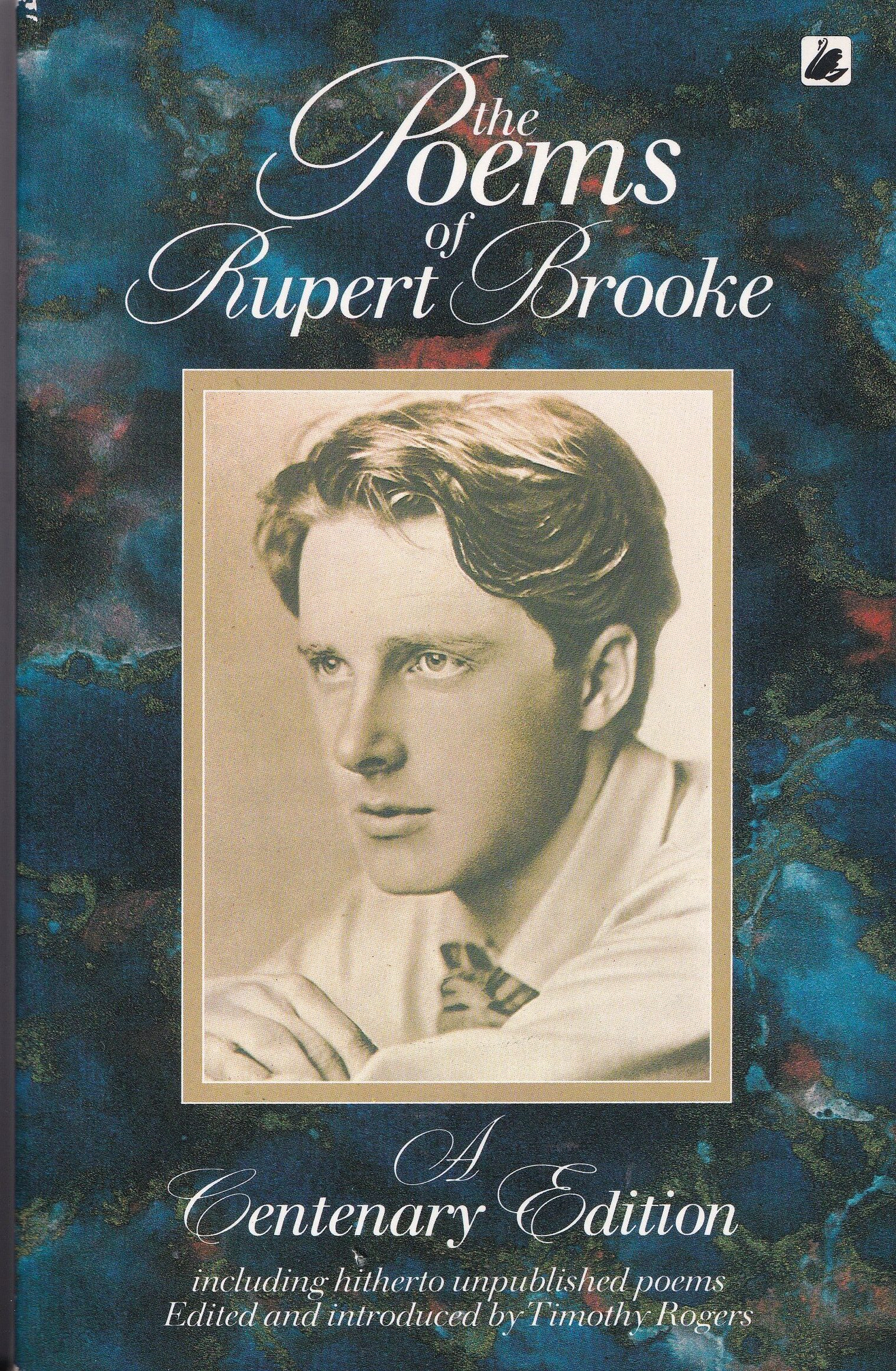
The Poems of Rupert Brooke – Centenary Edition celebrates the work of one of the best-known English poets of the early twentieth century. Published by Transworld Publishers Ltd in 1987, this 208-page edition presents an opportunity to explore the poetry of Rupert Brooke, whose writing became closely associated with the ideals, patriotism and sacrifice of the First World War generation.
Rupert Brooke and His Poetry
Rupert Brooke (1887–1915) occupies a distinctive place in English literary history. His poetry combines a classical sense of form with themes of beauty, youth, love, patriotism and mortality. Although his life was short, his work secured a lasting reputation, particularly through the war sonnets that appeared during the early years of the First World War.
Brooke’s writing is often admired for its lyrical quality, carefully controlled language and traditional poetic structures. His poems draw on both personal experience and broader cultural ideals, reflecting a period when established literary traditions met the profound changes taking place in British society.
The Legacy of the War Sonnets
Brooke is perhaps best remembered for his five sonnets commonly known as the 1914 sequence. Among them, The Soldier became particularly famous for its idealised vision of sacrifice and national identity. Its opening image of an English soldier’s final resting place abroad helped establish Brooke as a poetic symbol of the early wartime generation.
Reading these poems today requires an awareness of their historical setting. Written before the full scale and prolonged devastation of the conflict had become clear, they express a patriotic idealism that contrasts with much of the later poetry of the First World War. Brooke’s work therefore offers an important insight into the expectations and emotions surrounding the war’s early months.
Beyond the First World War
Although the war sonnets dominate Brooke’s public reputation, his literary interests extended beyond patriotism and military service. His poetry also explores love, nature, beauty and the uncertainties of human experience. These themes reveal a writer concerned with the pleasures and vulnerabilities of life, as well as with the ideals that people use to give it meaning.
This wider range is important when assessing Brooke’s contribution to English poetry. To view him solely as a First World War poet is to overlook the literary influences, personal reflections and artistic ambitions that shaped his work before the conflict transformed his reputation.
Style and Literary Significance
Brooke’s poetry generally favours traditional forms, regular rhythms and polished expression. His writing often displays an idealistic sensibility, presenting beauty and experience through a carefully constructed literary voice. For readers interested in the development of English poetry, his work provides a link between late Victorian and Edwardian literary culture and the changing attitudes that emerged during the First World War.
His reputation has also been shaped by the circumstances of his death. Brooke died in April 1915 while serving with the Royal Naval Volunteer Reserve, during the expedition to Gallipoli. The combination of his early death, his appearance and public image, and the popularity of his war sonnets helped turn him into a symbol of lost youth and patriotic sacrifice.
Who Should Read This Collection?
The Poems of Rupert Brooke will appeal to readers of English poetry, students of early twentieth-century literature and anyone interested in the literary response to the First World War. It is also suitable for readers exploring traditional poetic forms, patriotic writing and the cultural history of Britain in the years leading up to 1914.
As with any poetry collection, the precise contents and editorial presentation of an individual edition matter. Readers looking for a comprehensive scholarly edition should check the contents and publication details, while those seeking an introduction to Brooke’s work may find this volume a useful starting point.
Verdict
The Poems of Rupert Brooke offers an opportunity to revisit the work of a poet whose reputation has become inseparable from the early stages of the First World War. His combination of lyrical craftsmanship, traditional form and idealistic themes makes his poetry an important part of the period’s literary history.
Brooke’s work can be read both as poetry in its own right and as a reflection of the attitudes of a generation confronting a conflict whose consequences would reshape Europe. For readers interested in English literature, war poetry and the cultural legacy of the early twentieth century, this 208-page edition is a title worth considering.
Recommended for: Poetry readers, students of English literature, enthusiasts of First World War history and collectors of Rupert Brooke’s work.
Looking for a copy?
You can check availability of this book at KO7.com, the online second-hand bookshop.