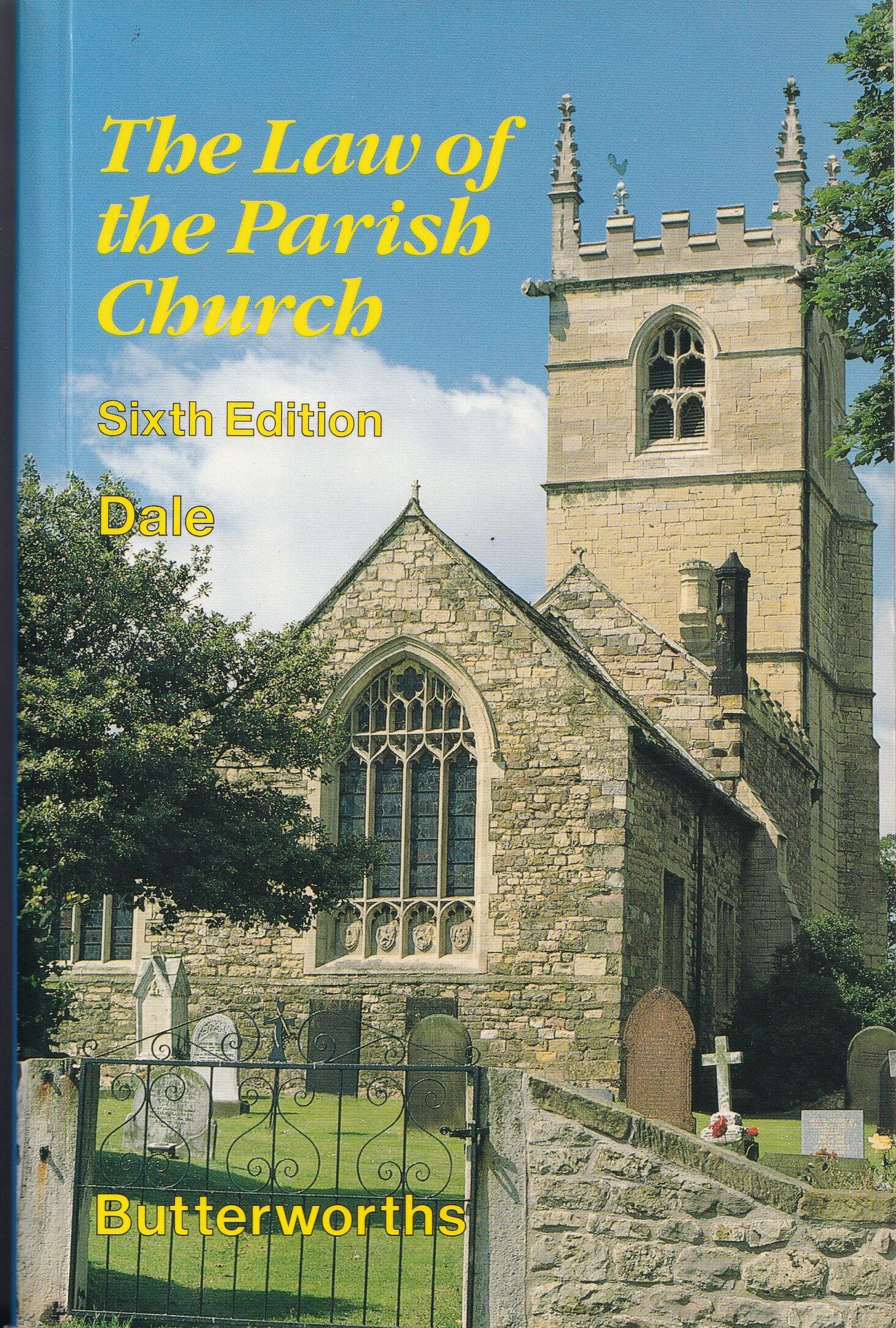
The Law of the Parish Church by Sir William Dale – Book Review
The Law of the Parish Church by Sir William Dale: Book Review
Author: Sir William Dale
Edition: Sixth Edition
Publisher: Butterworth
Publication year: 1989
Format: Paperback
ISBN-13: 9780406114006
Introduction
The parish church has a long-established place in English religious and community life, supported by a framework of laws, responsibilities and institutional arrangements. Understanding these rules is important for clergy, churchwardens, parish councils and others involved in the administration of a church.
The Law of the Parish Church by Sir William Dale is a specialist work on ecclesiastical law, examining the rights, powers and duties of those responsible for parish church life. First published in 1932, the book developed through successive editions to address the legal questions affecting the Church of England and its parishes.
The sixth edition, published by Butterworth in 1989, provides a historical reference point for understanding the legal framework that governed parish churches towards the end of the twentieth century. It is a particularly interesting title for readers concerned with church administration, ecclesiastical history and the relationship between religious institutions and the law.
What is The Law of the Parish Church about?
The book examines the legal responsibilities and authority associated with the parish church. Its scope includes the position of the incumbent, the role of churchwardens, the work of the Parochial Church Council (PCC) and the rights and responsibilities of parishioners.
It also addresses the wider framework of ecclesiastical courts and their jurisdiction, alongside matters concerning church buildings, their fabric, ornaments and furniture. These subjects demonstrate how church life involves not only worship and pastoral responsibilities but also legal procedures, property considerations and formal administrative duties.
For anyone interested in the organisation of the Church of England, the book offers insight into the way these responsibilities were understood and regulated within the legal framework of its time.
Strengths of the book
A specialist reference: One of the book’s main strengths is its focus on the legal aspects of parish church administration. Rather than treating church governance simply as a matter of custom or tradition, it considers the rights, duties and formal responsibilities attached to different roles.
Coverage of parish responsibilities: By addressing incumbents, churchwardens, PCCs and parishioners, the book considers the different people involved in the life and administration of a parish. This makes it relevant to readers researching historical arrangements for church governance.
Ecclesiastical and institutional history: The sixth edition provides a useful snapshot of church law in 1989. For researchers and collectors, it can help illustrate the legal context in which parish churches operated before later legislative changes.
A long publishing history: The book’s development across successive editions reflects the continuing need for guidance on ecclesiastical law. Its publication history also makes it of interest to those studying the evolution of legal literature relating to the Church of England.
Limitations and points to consider
The most important consideration is the age of this edition. Ecclesiastical law and the wider legal framework governing the Church of England have changed since 1989. Later legislation and subsequent editions addressed developments that are not incorporated into this sixth edition.
Consequently, the book should not be treated as a complete statement of current law or relied upon for present-day legal decisions without consulting up-to-date legislation and authoritative guidance.
Its specialist subject matter may also make it less suitable for casual readers seeking a general introduction to church history or Christian belief. The book is principally concerned with legal rules, institutional responsibilities and governance rather than theology or devotional practice.
Who would benefit from reading it?
The Law of the Parish Church may appeal to researchers of ecclesiastical law, historians of the Church of England, legal historians, theological libraries and readers interested in the administration of parish churches.
Former or current churchwardens, clergy and PCC members may also find it interesting as a historical account of parish responsibilities, particularly when comparing the arrangements described with later developments in church law.
Collectors of specialist legal books and older religious reference works may appreciate the sixth edition for its place in the publication history of this established title.
Final verdict
Sir William Dale’s The Law of the Parish Church is a specialist work that explores the legal framework surrounding parish church administration, from the responsibilities of clergy and churchwardens to the authority of parish councils and ecclesiastical courts.
The 1989 sixth edition is particularly valuable as a historical reference, offering insight into the law and institutional arrangements of its period. Its detailed subject matter will be most rewarding for readers with a specific interest in ecclesiastical law, church governance or the history of the Church of England.
Although later legal developments mean that this edition should not be used as a stand-alone guide to current law, it remains a potentially useful addition to a specialist collection or research library.
Recommended for: Ecclesiastical law researchers, legal historians, church historians, clergy, church administrators and collectors of specialist legal books.
Looking for a Copy?
You can check the details and condition of the 1989 sixth edition paperback of The Law of the Parish Church by Sir William Dale at KO7.com.